
What Are Fire Protection Services and Why Do You Need Them
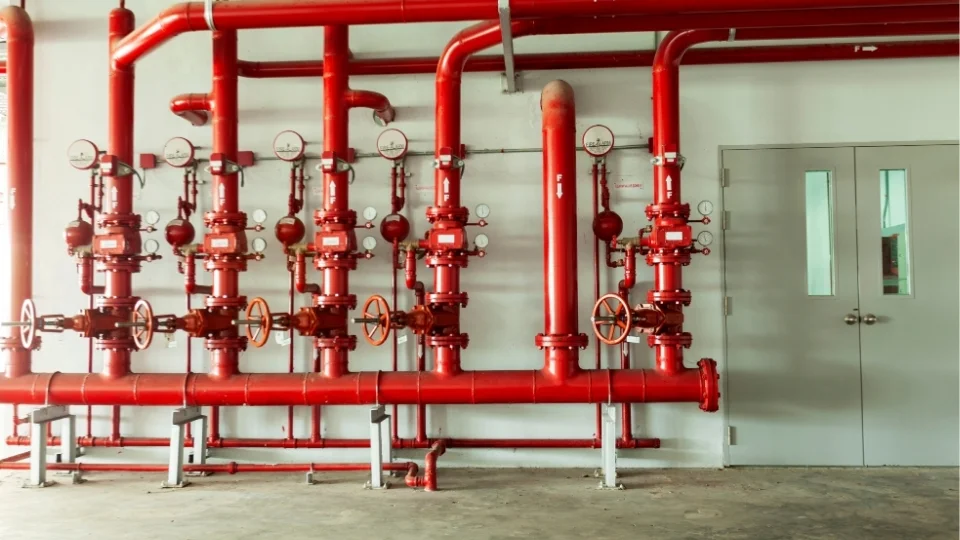
Fire protection services encompass the wide range of systems and measures designed to prevent or control fires in buildings. These include both high-tech active systems like fire alarms and sprinklers that respond when a fire is detected, as well as passive safeguards like fire-resistant walls and doors built into the structure. All of these components work together to safeguard lives and property from the devastation of uncontrolled fires. In this post, we’ll explain what fire protection services entail, highlight key fire safety systems, and discuss why they are so essential for your business – including keeping you code-compliant and protected against liability. By understanding how fire protection systems work and why they’re required, you’ll appreciate their importance in preventing disasters or minimizing damage when emergencies strike.
Understanding Fire Protection Services
Fire protection services refer to the comprehensive approach to fire safety in a facility – from the design and installation of fire suppression and detection systems, to regular inspections, maintenance, and emergency response. The goal is to prevent fires from starting when possible, and to quickly control any fires that do occur, limiting harm to people and damage to buildings. This involves a combination of active and passive fire protection strategies:
Active fire protection systems are those that take action when a fire is detected – either automatically or via manual intervention. For example, heat or smoke sensors trigger alarms and sprinkler heads to engage, or a person uses a fire extinguisher to put out a small blaze. These systems actively work to suppress or alert the fire, buying time for occupants to evacuate and for firefighters to respond. Sprinkler systems spraying water onto flames, fire alarms sounding to warn everyone, and even firefighter response via hydrants and hoses are all active measures.
Passive fire protection measures are built into the structure of a building to slow the spread of flames and smoke. They don’t require any activation during a fire – instead, they compartmentalize the fire and keep it isolated. Examples include fire-resistant walls, floors, and doors that can withstand high heat, as well as fire-resistant coatings and seals around openings. Passive features help contain a fire to its room or area of origin, giving people more time to escape and reducing overall damage.
By integrating both active systems and passive building features, a fire protection plan creates layers of defense. Active systems jump into action to control a fire immediately, while passive protections prevent the fire from rapidly spreading to other areas. Together, they dramatically increase the safety of a building’s occupants and can significantly reduce fire damage. In the next section, we’ll look at the key components that typically make up a fire protection plan.
Key Components of a Fire Protection Plan
A robust fire protection plan will include multiple systems working in concert. Here are some of the most common components and how each contributes to safety:
Fire Sprinkler Systems
Often the cornerstone of active fire protection in commercial buildings. Sprinklers are networks of water-filled pipes with heat-sensitive sprinkler heads. When a fire’s heat reaches a sprinkler head, it automatically opens to spray water on the flames below, suppressing or extinguishing the fire. Not all sprinklers activate at once – usually only those near the fire will operate, targeting the area of origin. In fact, one sprinkler head is enough to control a fire in the vast majority of cases. This rapid response can contain a blaze long before firefighters arrive, greatly limiting fire spread and damage.
Fire Alarms and Smoke Detectors
These make up the early warning system for fires. Smoke detectors (and heat detectors) sense the first traces of a fire and activate the building’s fire alarm system. The alarm produces loud sirens and flashing lights to alert everyone to evacuate immediately. Modern alarm panels can also be tied to an offsite monitoring center or directly to the local fire department for rapid emergency dispatch. The presence of working smoke alarms is proven to save lives – according to the National Fire Protection Association (NFPA), the risk of dying in a home fire is cut roughly in half when smoke detectors are in place and functional. Early detection gives people precious time to escape and helps ensure firefighting efforts start sooner.
Portable Fire Extinguishers
Fire extinguishers are first-aid devices for fires, designed to put out small fires or suppress them long enough to escape. They are typically mounted on walls throughout a building for easy access. Different types of extinguishers are available for various fire classes (e.g. Class A for ordinary combustibles, Class B for flammable liquids, Class C for electrical fires, etc.). When used by a trained person at the incipient stage of a fire, an extinguisher can prevent a minor flare-up from turning into a major blaze. In fact, studies indicate that around 80% of fires can be put out by a portable extinguisher alone safetystage.com – highlighting how important these devices are for initial response. Because of their value, OSHA requires most workplaces to have accessible, charged fire extinguishers and for staff to be instructed on their use safetystage.com.
Fire Hydrants (and Standpipe Systems)
Fire hydrants are an external component but critical for overall fire protection, especially for larger facilities. A fire hydrant is a connection point where firefighters can tap into a water supply (usually the municipal water mains) and hook up their hoses. You’ll typically see hydrants on the street or on the property. They ensure that firefighters have an ample water source on-site to fight fires, supplementing what the building’s sprinklers provide. In large or tall buildings, standpipe systems (essentially internal fire hose connections on each floor or in stairwells) serve a similar purpose – they let firefighters hook their hoses inside the building for quicker water access on upper floors. Hydrants and standpipes don’t actively fight fire by themselves, but they are key support features that enable a faster, stronger firefighting response when the fire department arrives.
Special Suppression Systems
Not every fire can or should be doused with water. For certain hazards or locations – such as commercial kitchens, server rooms, chemical storage, or sensitive electronics – there are special hazard fire suppression systems designed to use alternative extinguishing agents. For example, a kitchen hood suppression system automatically releases a wet chemical agent to smother a grease fire above a stove. Clean agent systems (like FM-200 or CO₂ gas) can flood a server/equipment room with gas that extinguishes fire without damaging electronics (unlike water). Foam suppression systems might be used in aircraft hangars or fuel storage areas to blanket a flammable liquid spill fire. These systems are tailored for specific fire risks where water alone is not ideal. They act quickly to suppress fires using foam, chemicals, or gases in areas where water could be ineffective or cause damage. Special suppression systems are often installed in addition to sprinklers and alarms, providing targeted protection for high-risk processes or valuable assets.
All of the above components should be thoughtfully integrated into a comprehensive fire protection strategy for your facility. The exact mix of systems will depend on the building’s type, occupancy, operations, and the applicable fire codes. For instance, an office building might rely mainly on sprinklers, alarms, hydrants, and portable extinguishers on each floor. An industrial site or hospital may have those plus specialized suppression for certain hazards, along with extensive passive fireproofing in the construction. Working with a fire protection professional can help determine the right combination of measures for your needs. Next, let’s discuss why having these fire protection services in place is so critical.
Why Fire Protection Services Are Essential
Investing in proper fire protection is not just about following rules – it’s about saving lives and property. Fire is an extremely fast and deadly threat. In a matter of minutes, a small flame can flash over into a room-engulfing inferno. Without any safeguards, that fire can then spread unchecked through an entire building. The consequences for people and businesses are catastrophic – severe injuries or loss of life, and complete destruction of property and assets. Fire protection services aim to prevent that worst-case scenario, or at least dramatically soften the impact. Here are some key reasons why these services are absolutely essential:
Protecting Lives
The foremost reason for fire protection measures is to protect occupants from harm. Alarms and detectors give people early warning to evacuate before they are overcome by smoke. Suppression systems like sprinklers control the flames, keeping exit routes safer and preventing fire from trapping people. The life-saving impact is proven. Research by the NFPA found that buildings equipped with sprinklers have about 89% fewer fire-related deaths compared to those with no automatic extinguishing system. Sprinklers knock down fires so effectively that people are far less likely to be caught in deadly conditions. Similarly, as noted earlier, having working smoke alarms in your home or workplace roughly cuts the risk of dying in a fire by half. These statistics underscore that fire protection systems save lives. When an emergency happens, those systems could be the difference between a close call and a tragedy.
Limiting Property Damage
Beyond life safety, fire protection services are vital for preserving property and ensuring business continuity. A fire that burns unchecked can destroy a building’s structure, consume equipment and inventory, and literally reduce years of investment to ashes. Even if insured, the downtime and loss can be devastating for a business. Fire protection systems drastically reduce the damage caused by fires. For example, NFPA data shows that in homes with sprinklers, average property loss per fire was 55% lower than in homes without sprinklers. By confining most fires to one room or area, sprinklers and fire-resistant construction prevent the kind of rapid spread that leads to total loss. Even when sprinklers don’t fully extinguish a fire, they slow it enough that firefighters can arrive to finish the job, often saving the building. Portable extinguishers, when used promptly, can put out small fires before they wreak havoc, saving costly equipment or merchandise. Overall, a facility with well-maintained fire protection is far more likely to survive a fire incident with minimal damage – meaning faster cleanup, cheaper repairs, and a quicker return to normal operations. In short, these systems are critical for asset protection and business resilience.
By significantly reducing the risk of deadly fires and the extent of damage, fire protection services provide peace of mind that people, property, and livelihoods are safeguarded. But beyond the direct safety benefits, there are also legal and financial reasons why you need them in place – which we’ll cover next.
Compliance with Codes and Insurance
Fire protection isn’t optional for businesses; in most cases it’s legally required. Building and fire codes, as well as insurance policies, mandate specific fire safety measures for different types of facilities. Failing to comply can lead to fines, liability, or even having your operations shut down by authorities. Here’s how proper fire protection ties into code compliance and insurance requirements:
Building Codes and NFPA Standards
Local building codes and fire codes (often based on model codes like the International Fire Code and NFPA codes) specify what fire protection features a building must have. For instance, codes typically require fire alarms and exit signs in all commercial buildings, and automatic sprinkler systems in many new commercial constructions above a certain size or height (and in residential buildings like apartments above a certain number of units). The NFPA (National Fire Protection Association) publishes widely adopted standards such as NFPA 13 (for sprinkler system installation), NFPA 72 (for fire alarm systems), NFPA 10 (for extinguishers), NFPA 25 (for sprinkler inspection/testing), and many more. Compliance with these standards is often written into law by states or municipalities. Additionally, occupational safety regulations require fire protection in workplaces – OSHA standards mandate that employers provide and maintain portable fire extinguishers that are easily accessible to employees safetystage.com, along with emergency action plans and training. Not meeting these code obligations can result in violations, penalties, or increased legal liability if a fire occurs. On the positive side, when you fully comply with fire safety codes, you create a safer environment and avoid the costly fines or legal troubles that come with non-compliance.
Insurance Requirements and Liability
Insurance companies have a huge stake in your fire protection measures. A property insurer evaluating your business will consider what fire defenses you have in place, since this directly affects the risk of a large claim. In fact, insurers categorize a building’s level of “protection” (the “P” in the COPE risk assessment: Construction, Occupancy, Protection, Exposure) when setting premiums. Having robust fire protection can make your property a lower risk, which in some cases may earn you reduced insurance premiums resources.impactfireservices.com. For example, an insurance underwriter will look favorably on features like automatic sprinklers, monitored alarms, and trained fire watch staff – some providers even offer specific discounts for sprinklered buildings or those with alarm monitoring. However, insurers also enforce that you keep those systems functional. Many commercial insurance policies include clauses (often called protective safeguard endorsements) that require the insured to maintain certain protective devices (e.g. sprinkler systems, alarms) in working order. If a fire loss occurs and it’s revealed that a required system was shut off or inoperative due to lack of maintenance, the insurer could deny the claim because the policy conditions weren’t met. For instance, if you had a sprinkler system but neglected to fix a valve you knew was broken – and then a fire spreads – the insurer may not cover the damages due to that negligence. Thus, proper fire protection service and upkeep isn’t just about safety; it also protects you financially by ensuring your insurance remains valid and will pay out if disaster strikes. To summarize, investing in code-compliant fire protection and keeping it maintained can lower your insurance costs in some cases, but more importantly it prevents the nightmare scenario of a fire loss that isn’t covered due to lapses in safety measures.
Between meeting legal obligations and satisfying insurance requirements, businesses have strong external incentives to implement fire protection systems and maintain them diligently. The good news is that by doing so, you’re inherently creating a safer workplace and safeguarding your assets – so it’s a win-win scenario.
Choosing and Maintaining Your Fire Protection System
Implementing fire protection for your facility isn’t a one-time task – it’s an ongoing commitment. From the initial design of the system to regular upkeep years down the line, it pays to work with qualified fire protection professionals at each step. Here are some tips on choosing and maintaining your fire protection systems effectively:
Professional Design and Installation
Every building has unique fire risks and layout considerations, so there’s no one-size-fits-all solution. It’s crucial to consult with certified fire protection specialists when designing or upgrading your fire safety systems. These experts (often fire protection engineers or licensed contractors) will ensure that your sprinklers, alarms, and other components are properly tailored to your building’s needs and meet all applicable codes. This includes performing hydraulic calculations for sprinkler water demand, placing detectors in optimal locations, ensuring alarm audibility, selecting the right extinguisher types, and so on. Professional installers will also coordinate with other building systems (electrical, plumbing, HVAC) to avoid conflicts and will obtain the necessary permits/inspections for code compliance. In short, working with a reputable fire protection company helps you get the system right the first time – giving you confidence that your building is protected and up to code from day one. (If you’re in our region, our team at Steel Valley Fire Protection can design and install a customized fire protection system for your facility, handling everything from engineering plans to final testing.)
Regular Inspection, Testing and Maintenance
Fire protection systems must be kept in good working order at all times – the worst time to discover a fault is in the middle of an emergency. Therefore, ongoing maintenance and inspection is not optional. You should establish a routine service schedule in line with NFPA standards and local requirements. For example, sprinkler systems generally require quarterly and annual inspections, plus a more thorough internal inspection every 5 years, per NFPA 25. Fire alarm systems should be tested at least annually (NFPA 72), and typically whenever changes are made. Specialized systems like kitchen hood suppressions need semiannual service, and portable extinguishers should get a quick visual check every month (by staff) and a professional maintenance inspection once a year steelvalleyfp.com. During these check-ups, technicians will verify that valves are open, sprinkler heads aren’t obstructed or corroded, alarm devices and emergency lights function properly, extinguishers are charged, and so on. Any problems can be fixed on the spot – before a fire incident reveals them. Keeping up with these inspections not only ensures your equipment will perform when needed, but also keeps you compliant with fire code and insurance requirements (typically fire marshals will ask for inspection reports, and insurers may require proof of annual servicing). Make sure to replace or repair any component that isn’t in top shape – for instance, if a sprinkler head is damaged or an alarm backup battery is low, swap it out immediately. A well-maintained system is extremely reliable. In fact, NFPA research shows sprinklers operated in 92–95% of fires large enough to trigger them, and nearly always effectively controlled the fire – the main reason they ever fail is usually because they had been turned off or neglected. The takeaway: take care of your fire protection systems so they can take care of you. Schedule the inspections, keep records of service, and foster a culture of safety where any issue (like a blocked sprinkler or an alarm that keeps beeping) is reported and addressed promptly.
Choosing the Right Partner
Given the importance of maintenance, it’s wise to partner with a reliable fire protection service provider for ongoing support. Look for companies that are properly licensed/certified, experienced with your type of facility, and responsive to emergencies. Ideally, your fire protection partner will offer 24/7 emergency on-call service (because fires and sprinkler leaks don’t always happen 9–5!) in addition to routine maintenance. They should also be well-versed in code compliance to help you navigate any inspections by the fire marshal or insurance audits. For example, Steel Valley Fire Protection provides end-to-end fire safety support, including scheduled inspections and testing (with thorough reports for the AHJ, i.e. Authority Having Jurisdiction), 24/7 emergency repair dispatch, and guidance on upgrades or expansions when your building’s needs change. Working with a dependable team means you’ll always have experts to call if an alarm is glitching or if you need advice on improving your system. It’s like having a dedicated partner in protecting your business.
In summary, fire protection services are an ongoing necessity – you need to install the right systems and then care for them throughout the life of your facility. When you do so, you’re investing in the safety of everyone who walks through your doors, and in the longevity of the business you’ve built. Fires can be devastating, but with robust protection in place, you dramatically increase the odds that if one does occur, everyone will get out safely and your building will still be standing.
Ready to strengthen your fire safety? Whether you’re evaluating your current systems or starting from scratch in a new building, don’t hesitate to get professional help. Our experts at Steel Valley Fire Protection are happy to assess your needs and develop a protection plan that keeps you safe and compliant. We handle everything from new system installations to ongoing inspections and maintenance, so you can focus on running your business with peace of mind. For more information or to schedule a consultation, contact Steel Valley Fire Protection today – we’re here 24/7 to help protect what matters most.